
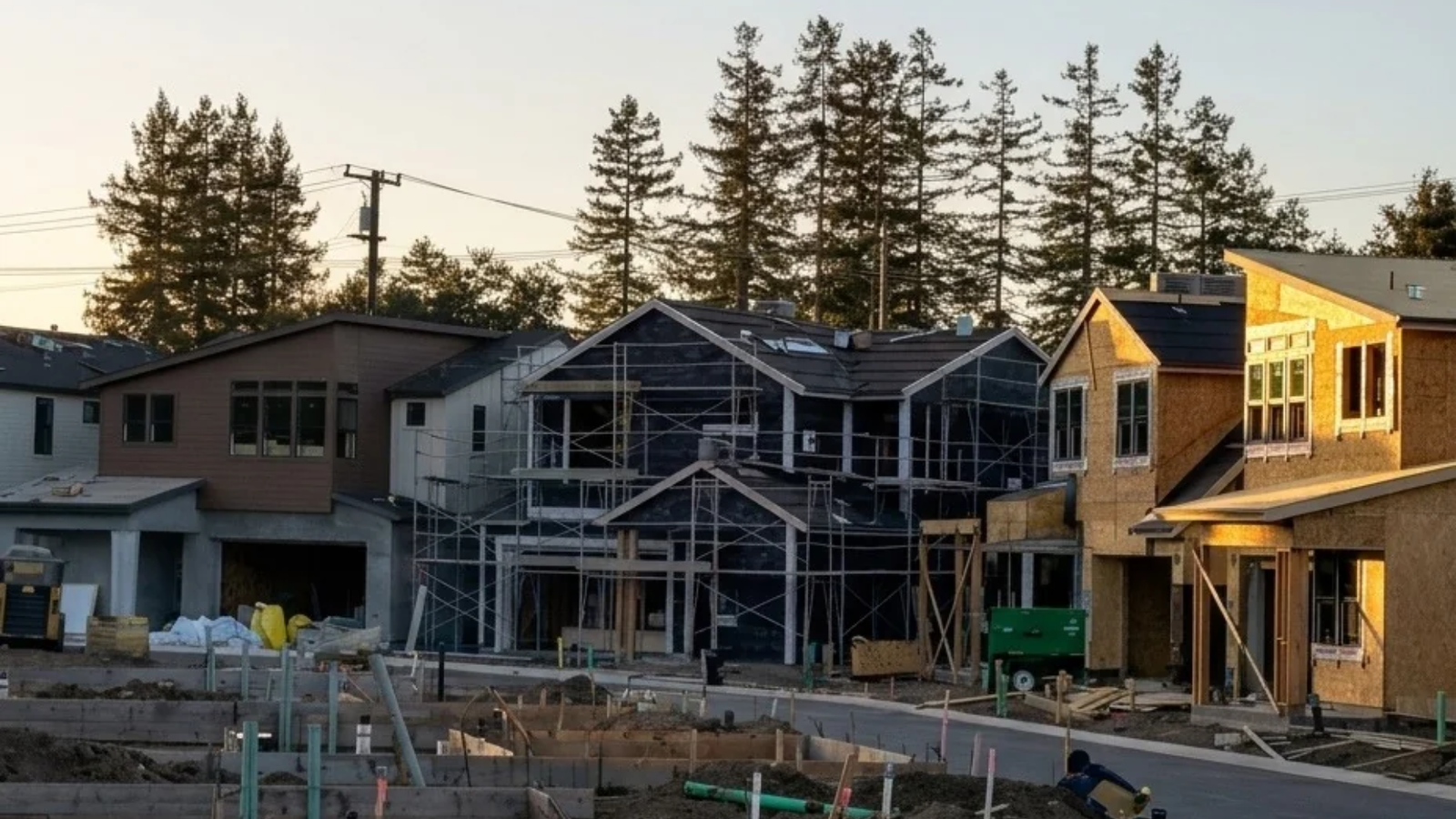
Key mistakes buyers make during new construction and how to navigate the process smoothly
Buying a new construction home is an exciting milestone, yet the purchasing process differs significantly from buying a resale home. Buyers often navigate complex builder contracts, specialized tax districts, and strict construction timelines.
Without careful preparation, overlooked details can lead to unexpected expenses and costly delays. Understanding common pitfalls helps buyers make informed decisions across California developments, including local Bay Area communities.
Contractual details and builder representation
A primary oversight in new construction is relying solely on the on-site sales agent. On-site representatives work directly for the builder and prioritize the seller’s interests. Having your own independent real estate agent ensures advocate representation during negotiations, contract reviews, and financing selections.
Builder contracts are extensive documents containing specific terms regarding cancellation, move-in deadlines, and base price inclusions. Skimming these agreements can result in surprise costs for landscaping or structural upgrades. Reviewing all contract terms thoroughly with a professional protects your rights before signing.
- Builder Research: Reviewing a developer’s track record and speaking with current residents reveals long-term construction quality.
- Independent Representation: Hiring your own agent provides dedicated advocacy, usually at no direct cost to the buyer.
- Contract Review: Examining base inclusions prevents unexpected fees for standard finishes or yard landscaping.
Navigating inspections, financing, and upgrades
Assuming a newly built home is free of defects is a frequent mistake. Construction schedules can lead to rushed workmanship, resulting in hidden plumbing, electrical, or structural issues. Hiring an independent home inspector prior to closing ensures repairs are completed by the builder on a formal punch list.
Financing requires equal scrutiny. While builders frequently offer incentives to use their preferred lender, these rates and terms may not be the most competitive in the market. Comparing multiple loan options ensures you secure optimal financing terms over the life of your mortgage.
Upgrades also require a strategic approach to maintain resale value. Highlighting essential improvements like flooring, appliances, and energy efficiency provides better returns than over-customizing decorative elements.
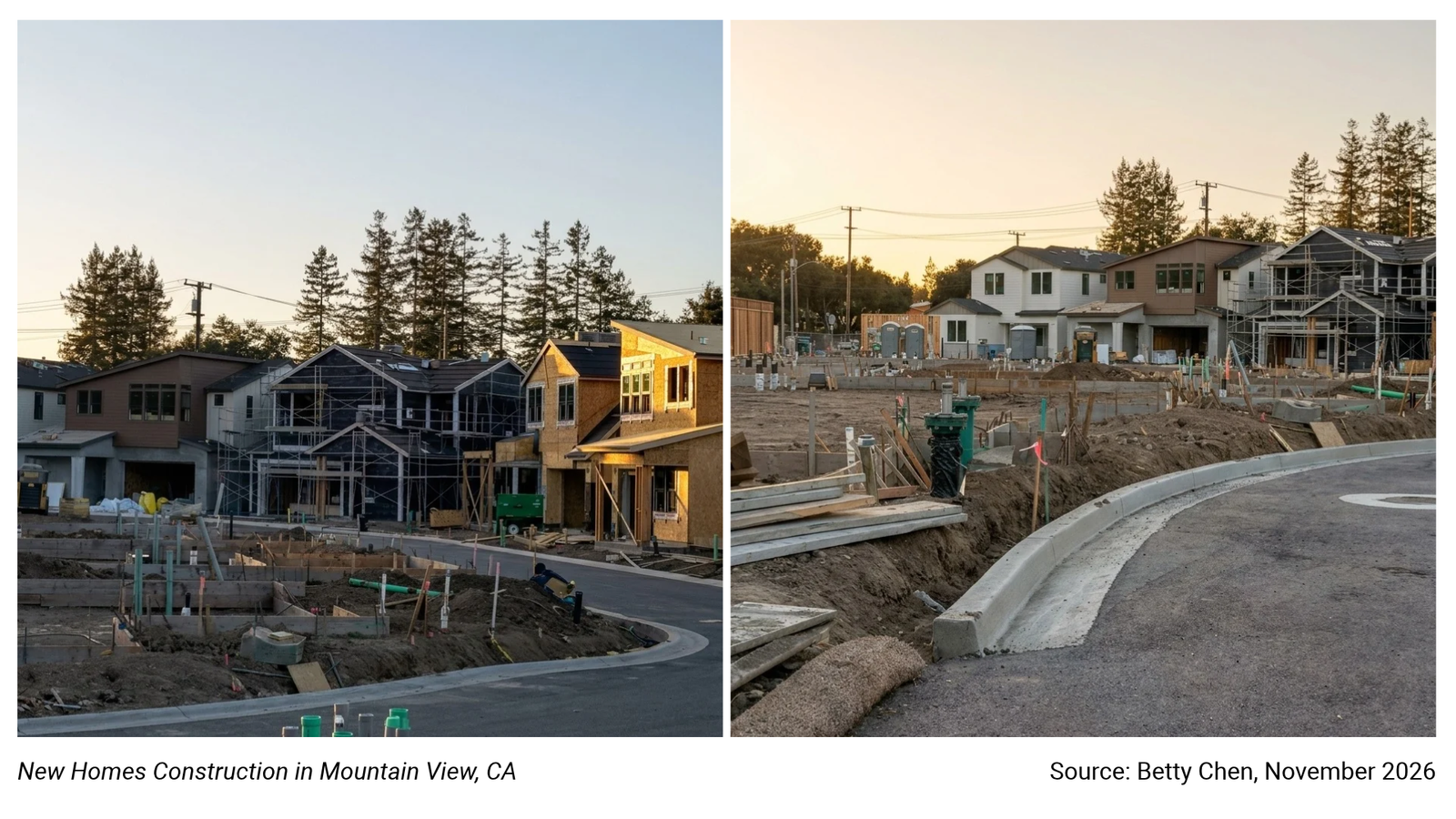
Understanding local taxes and future community plans
In many California master-planned developments, special tax districts such as Mello-Roos fund local infrastructure. These assessments are added to standard annual property tax bills and should be factored into your long-term monthly housing budget.
Additionally, examining surrounding zoning and future development plans with local planning departments prevents surprises regarding nearby commercial hubs, road expansions, or high-density housing. Reviewing all Homeowners’ Association (HOA) covenants and restriction documents ensures community rules fit your personal lifestyle.
Disclaimer: Based on published analysis on California new construction practices by Natasha Zabaneh, City Ventures (August 2025); these were not Betty Chen’s transactions. This article reflects current trends, is subject to change, and does not constitute a financial prediction or property-specific legal advice.